TMS Vendor Consolidation Alert: How the Descartes-3GTMS Deal Changes Procurement Strategy for European Shippers

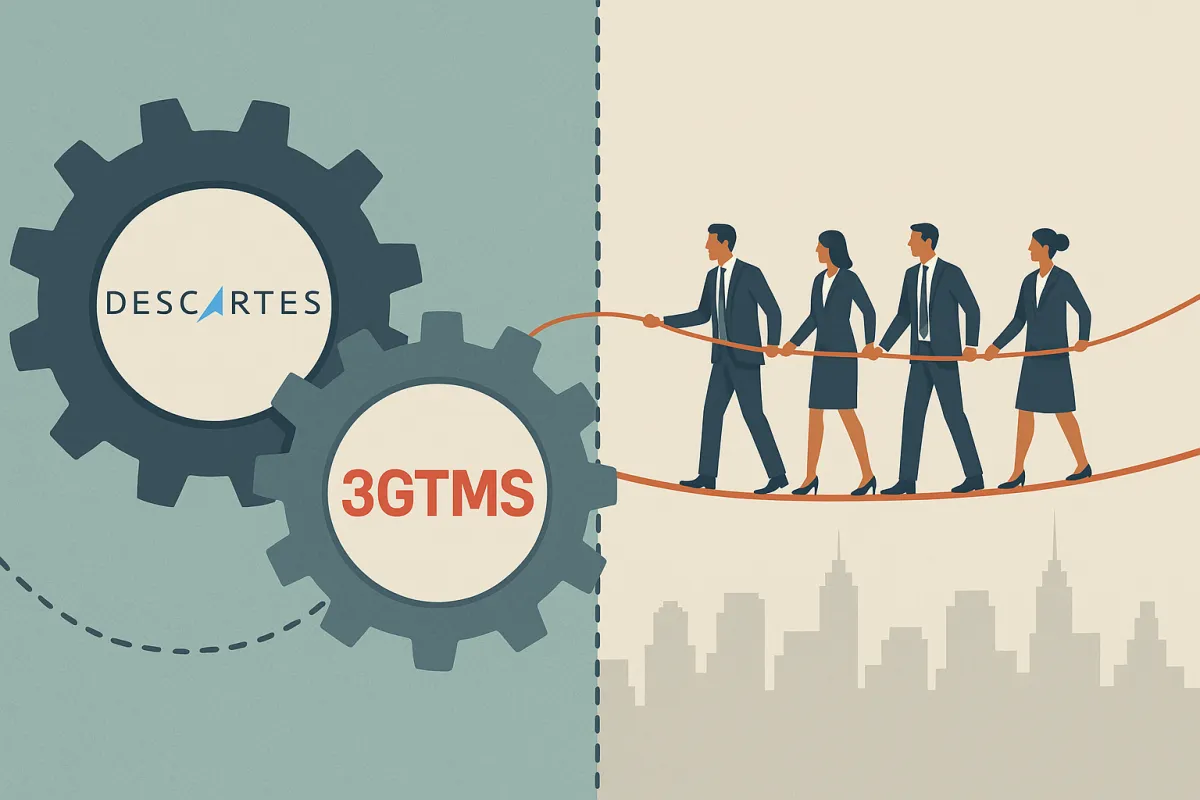
The $115 million acquisition of 3GTMS by Descartes Systems Group in March represents more than just another deal sheet headline. This marks Descartes' 32nd acquisition since 2016, and signals a fundamental shift in how procurement teams need to approach TMS vendor selection and contract negotiations across Europe.
For procurement leads managing transport management software decisions, vendor consolidation creates a double-edged scenario: fewer independent options but potentially stronger, more comprehensive platforms. The question becomes whether your organization can navigate the integration risks while capitalizing on expanded capabilities.
The $115M Deal That Exposes Market Direction
Descartes paid $115 million for 3GTMS primarily to acquire their extensive carrier network integrations and API connectivity. The acquisition immediately expanded Descartes' reach into mid-market shippers who previously relied on 3GTMS's specialized carrier relationships across North America and Europe.
What makes this deal particularly revealing is the premium paid for network effects rather than core TMS functionality. Industry analysis suggests that established vendors increasingly view carrier connectivity as the primary competitive moat, not workflow optimization or reporting capabilities.
This pattern repeats across the sector. Vendors acquire to expand carrier networks, geographic coverage, or vertical expertise rather than building organically. The result? Fewer true alternatives for procurement teams, but platforms with broader capabilities that span multiple transportation modes and regions.
Why Consolidation Multiplies Procurement Risk
Vendor acquisitions introduce operational uncertainty that extends well beyond the initial integration period. Service levels often decline during the 12-18 months following acquisition as resources focus on technical integration rather than customer support. Product updates get delayed, and some functionality may be deprecated entirely if it conflicts with the acquiring company's roadmap.
Pricing typically increases 18-24 months post-acquisition once integration costs are absorbed. The newly combined entity faces less competitive pressure, particularly if the acquired vendor held significant market share in specific geographies or verticals.
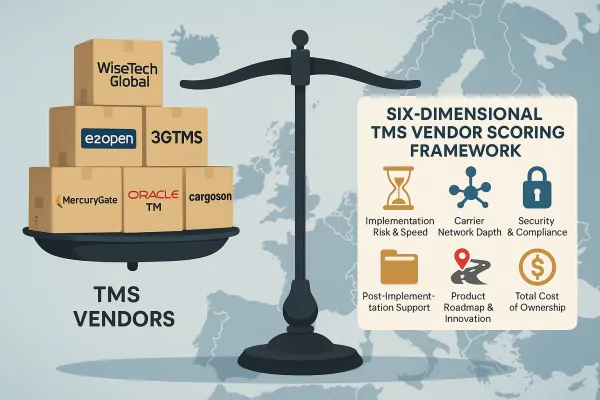
For European shippers, this consolidation complicates an already complex vendor landscape. SAP TM dominates German operations, MercuryGate focuses heavily on North American markets, while Alpega and Cargoson compete more directly for cross-border European business. Each acquisition reshuffles these regional strengths and may impact the specialized capabilities that originally drove vendor selection.
Consider the integration challenges: 66% of technology projects end in partial or total failure, with 17% of large IT projects threatening company existence. When your TMS vendor becomes an acquisition target, you inherit these integration risks without directly managing the project.
The New Procurement Playbook for a Consolidating Market
Smart procurement teams now evaluate vendor stability as rigorously as functionality fit. This means examining acquisition history, integration track records, and financial positioning that might make a vendor attractive to larger players.
The recommended approach shifts from comprehensive platform evaluation to phased implementation with multiple vendor relationships. Start with one major shipping lane, measure results over 6-9 months, then expand systematically. This reduces exposure to vendor disruption while maintaining operational flexibility.
Document cost savings and efficiency improvements at each phase. These metrics become crucial during contract renewals or if vendor acquisition forces a platform migration. Quantified benefits strengthen your negotiating position and support business cases for alternative solutions.
Maintain relationships with 2-3 viable alternatives even after selecting a primary vendor. With 60% of European companies still operating on-premise systems despite cloud deployment showing 63% revenue growth, vendor transitions remain complex enough that preparation time matters significantly.
Due Diligence Questions That Surface Integration Risk
Your RFP process needs specific questions about acquisition experience and integration methodology. Ask vendors to detail their last three acquisitions: timeline from announcement to full integration, functionality deprecated during the process, and customer churn rates in the 24 months following deal closure.
Request references from customers who experienced vendor acquisitions firsthand. These conversations reveal integration impacts that don't appear in standard reference calls. Focus on service level changes, unexpected costs, and timeline disruptions rather than general satisfaction metrics.
Evaluate financial stability indicators that might attract acquisition interest. High growth rates, strong carrier relationships, or specialized vertical expertise may signal acquisition vulnerability. While these strengths benefit your operations, they also increase the likelihood of vendor disruption through acquisition.
For vendors with recent acquisition activity, examine their integration methodology and timeline commitments. Descartes, MercuryGate, and other serial acquirers have established playbooks, but execution varies significantly based on the acquired company's technical architecture and customer base overlap.
Contract Clauses That Survive Vendor Acquisitions
Standard TMS contracts rarely address acquisition scenarios adequately. Include specific language requiring 12-18 months advance notice of any acquisition discussions that might impact service delivery or platform functionality.
Price protection clauses should extend through acquisition transitions. Specify that pricing remains locked for 24 months following any ownership change, regardless of platform migration requirements or feature consolidation decisions.
Functionality guarantees become critical when vendors merge platforms. Contract language should specify that any feature deprecation requires equivalent functionality replacement or contract termination rights without penalty.
Build in migration assistance requirements if platform consolidation forces customer moves to different systems. The acquiring vendor should provide technical resources, data migration support, and extended parallel operations to minimize business disruption.
Include performance benchmarks that survive ownership changes. Service level agreements, uptime commitments, and response time guarantees should remain in effect regardless of internal reorganization or platform integration activities.
Market Outlook: What Procurement Teams Should Expect Through 2026
Market analysts project growth from €3.1 billion to €5.4 billion in Europe and North America by 2029, driven primarily by cloud adoption and API integration capabilities. This growth attracts both strategic acquirers and private equity investment, accelerating consolidation activity.
Expect continued acquisition activity in the visibility and tracking space, where specialized vendors provide capabilities that major TMS platforms haven't developed internally. Companies with strong API ecosystems or unique carrier relationships remain primary targets.
The next 18 months likely bring 2-3 significant acquisitions as vendors position for post-pandemic shipping volume recovery and increasing regulatory compliance requirements across European markets.
For procurement teams, this environment requires balancing vendor capability with independence. Consider emerging solutions like Cargoson alongside established players, particularly for cross-border European operations where vendor consolidation may reduce competitive options. Industry forecasts suggest that maintaining vendor diversity becomes increasingly difficult as consolidation eliminates independent alternatives.
Your procurement strategy should account for this consolidating landscape by building flexibility into vendor relationships, maintaining alternative solution awareness, and structuring contracts that protect against acquisition-driven disruption. The vendors available today may not exist independently tomorrow.