TMS Vendor Consolidation Playbook: How European Procurement Teams Can Turn Market Upheaval Into Strategic Advantage


The European TMS market reached €1.4 billion in 2024 and is forecasted to reach €2.5 billion by 2029, while major acquisitions like WiseTech's $2.1 billion purchase of E2open and Descartes' $115 million acquisition of 3GTMS are reshaping the competitive landscape. For European procurement teams, this wave of TMS vendor consolidation creates both risks and opportunities that demand immediate attention.
The 2025 TMS Consolidation Reality Check
WiseTech's acquisition of E2open significantly expands its total addressable global market with very little product overlap, extending from logistics service providers into global and domestic trade including demand, planning, channel, supply, transportation and logistics. Meanwhile, Descartes acquired 3GTMS to strengthen transportation management capabilities with modern cloud architecture and planning-driven automation.
These aren't isolated events. The Descartes deal marks the company's 32nd acquisition since 2016, while broader supply chain and logistics providers like Blue Yonder, Manhattan, and Kinaxis are all competing in the TMS space. The most notable market development this year is definitely WiseTech's strategic acquisition of E2open – combining two of the most acquisitive players in this space.
The math is simple: fewer independent vendors means less negotiating leverage for buyers. When the E2open acquisition is expected to close in the second half of 2025, European shippers will have one less major option when evaluating enterprise-grade TMS solutions.
The Hidden Procurement Risks of Vendor Consolidation
Procurement teams often overlook the downstream effects of vendor consolidation. When WiseTech absorbs E2open's customer base, the company plans to take a value-driven phased approach to integration using experience from over 55 acquisitions. But what does "phased integration" actually mean for your contract terms?
First, expect price increases 18-24 months post-acquisition. The acquiring company needs to justify the premium paid and achieve synergy targets. Second, support quality typically degrades during integration periods as technical teams focus on system harmonization rather than customer service.
Third, feature roadmaps get consolidated. European TMS market players like Transporeon (now owned by Trimble), Infios (formerly Körber Supply Chain Software, including MercuryGate), and others represent fewer independent development paths. When roadmaps merge, niche functionality often disappears.
The timing creates additional pressure. The North American TMS market is forecasted to grow from €1.8 billion in 2024 to almost €3.0 billion in 2029, making European vendors attractive acquisition targets for cash-rich buyers seeking global expansion.
Due Diligence Framework for Consolidation-Era Procurement
Your vendor evaluation process needs updating. Start by asking direct questions about acquisition activity. Has your shortlisted vendor been approached by buyers? Are they backed by private equity firms with typical 3-5 year exit timelines?
Evaluate financial health differently during consolidation waves. Studies indicate that between 70% and 90% of mergers and acquisitions fail to achieve their anticipated objectives, often attributed to overvaluation, cultural mismatches, and inadequate integration planning. A vendor struggling with integration challenges might not deliver promised functionality on schedule.
Reference checks become more complex. When contacting existing customers, specifically ask about their experience during any recent ownership changes. Mismatches in enterprise resource planning (ERP), warehouse management systems (WMS), and transportation management systems (TMS) can lead to costly and time-consuming integration challenges.
Consider emerging alternatives. European vendors like Cargoson, Transporeon, Alpega, and nShift offer competitive functionality while maintaining independent development roadmaps. They're positioned to capture market share as enterprise buyers seek alternatives to consolidated platforms.
The "Acquisition Insurance" Contract Clauses
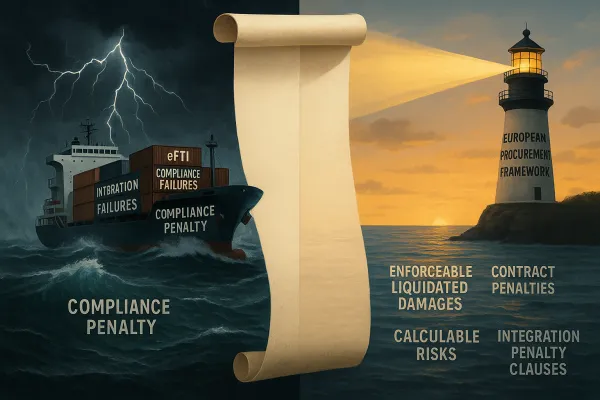
Standard contracts rarely address ownership change scenarios. Add change of control notification requirements with 90-day advance notice. Include price protection mechanisms that prevent increases above CPI for 24 months following any acquisition.
Demand service level maintenance clauses during integration periods. Specify response times, escalation procedures, and performance metrics that survive ownership transitions. Build exit clause triggers for material service degradation, including delayed feature delivery or support response time increases exceeding 50%.
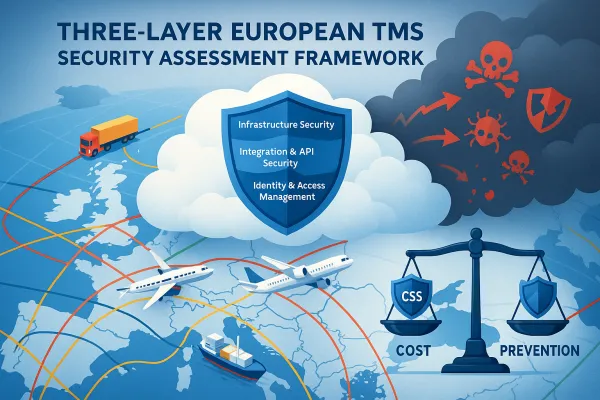
Data portability becomes critical during market consolidation. Ensure your contract includes detailed data export requirements in standardized formats. Transportation data exposes shipment values, customer locations, and trade lanes. GDPR and sector-specific rules impose strict controls, leading some EU shippers to favour private clouds or hybrid models.
Market Positioning: Where Major Vendors Stand Post-Consolidation
The post-consolidation landscape creates distinct tiers. Enterprise platforms like SAP Transportation Management, Oracle TM, and Manhattan Active continue expanding globally. Oracle is active with its Oracle Transportation Management offering deployed across all geographic markets, and SAP similarly offers SAP Transportation Management globally.
Mid-market leaders have consolidated significantly. Descartes (including 3GTMS acquired in 2025), Blue Yonder, Manhattan, and E2open (acquired by WiseTech in 2025) are all competing in the TMS space. This tier now features fewer independent players but broader functional coverage.
Specialist solutions occupy an interesting position. European vendors like nShift, Alpega, and Cargoson can differentiate through regional expertise, regulatory compliance, and focused development. Cargoson, for example, bridges the specialist-enterprise gap with European-focused functionality while maintaining platform flexibility.
The consolidation creates opportunities for remaining independent vendors. As enterprise buyers seek alternatives to newly-merged platforms, vendors with clean integration capabilities and specialized European functionality gain competitive advantage.
Strategic Timing: When to Buy During Market Consolidation
Timing your TMS procurement during consolidation waves requires careful consideration. Pre-acquisition windows offer maximum negotiating leverage. Vendors facing acquisition discussions often accept better terms to accelerate deal closure and demonstrate customer satisfaction to potential buyers.
Post-integration periods provide proven stability but reduced leverage. E2open's current structure across product groups and previously acquired businesses is well suited to a phased approach to integration, with WiseTech applying its proven capability and approach to ensure an efficient integration process.
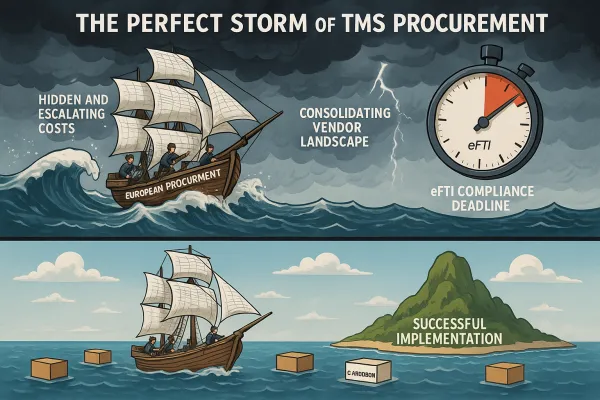
Regulatory deadline pressures compound timing challenges. The eFTI Regulation applies in full by July 9, 2027, requiring all EU authorities to accept electronic freight transport information. Smart Tachograph 2.0 mandates continue through August 2025. These deadlines create procurement urgency that acquiring companies can exploit through pricing pressure.
Budget cycle optimization matters more during uncertain vendor landscapes. Plan procurement timing to align with your vendor's fiscal year-end when sales teams have maximum motivation to close deals. For European subsidiaries of US companies, Q4 calendar year timing often yields better terms.
Future-Proofing Your TMS Investment Against Further Consolidation
API-first architecture becomes essential for easier migration between platforms. Modern TMS solutions like 3GTMS leverage cloud architecture with API-integrated carrier networks, including expanded carrier reach in North America with API-integrated LTL carriers. Ensure your selected platform supports standard integration protocols rather than proprietary connectivity.
Multi-tenant versus single-tenant implications affect your consolidation risk. Cloud captured 63% transportation management system market share in 2024 and is on track for 14.92% CAGR on rapid onboarding cycles that often conclude within eight weeks. Multi-tenant SaaS platforms offer faster deployment but potentially higher consolidation risk as acquiring companies rationalize overlapping customer bases.
Regulatory compliance that survives ownership changes protects your investment. European requirements like eFTI, CSRD, and data residency regulations continue regardless of vendor ownership. Choose platforms with built-in compliance frameworks rather than bolt-on solutions that might disappear during integration.
The consolidation wave creates both risks and opportunities for European procurement teams. Companies that adapt their evaluation frameworks, negotiate protective contract terms, and time their decisions strategically will emerge stronger. Those that ignore the changing market dynamics face vendor lock-in, price increases, and reduced negotiating power.
Start your consolidation-era procurement planning now. The next acquisition announcement might involve your current vendor.